

The 3 Imaging Screenings Every Woman Should Know About after 40

As women enter their 40s, healthcare priorities often begin to shift from reactive care toward prevention and early detection. Many serious health conditions develop gradually — often without noticeable symptoms in their earliest stages. Preventive imaging plays an essential role in identifying changes early, when treatment options are typically more effective and outcomes are improved .
According to the U.S. Centers for Disease Control and Prevention (CDC), chronic diseases account for 7 out of 10 deaths annually in the United States, many of which can be better managed or treated when detected early. Preventive screenings provide valuable insight that physical exams alone cannot offer.
At Cheyenne Radiology Group, we believe knowledge empowers patients. Below are three imaging screenings women should discuss with their healthcare providers beginning around age 40.
Mammography: The Gold Standard for Early Cancer Detection
Breast cancer remains one of the most common cancers affecting women. The American Cancer Society estimates that 1 in 8 women in the United States will develop breast cancer during their lifetime.
Mammography is currently the most effective screening tool for detecting breast cancer early — often identifying abnormalities years before symptoms develop.
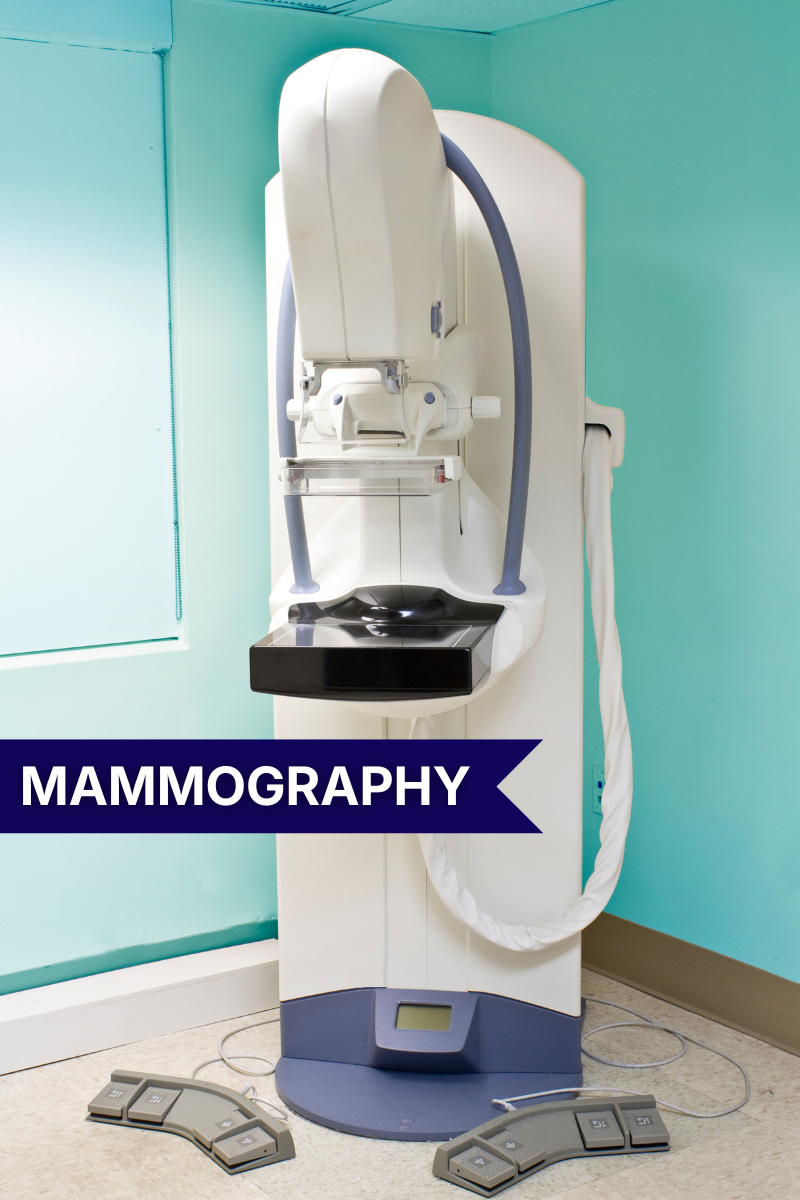
Why mammograms matter:
- Can detect tumors too small to be felt during physical exams
- Improve early-stage diagnosis rates
- Reduce breast cancer mortality through earlier treatment
Research published in CA: A Cancer Journal for Clinicians shows that regular screening mammography significantly lowers breast cancer death rates among women aged 40 and older.
Most professional organizations recommend women begin discussing routine screening mammograms with their provider starting at age 40, depending on personal risk factors and family history.
Key takeaway: Early detection dramatically increases treatment options and survival outcomes.
Breast Ultrasound: Additional Clarity When Needed
While mammography is the primary screening tool, breast ultrasound provides valuable supplemental imaging in certain situations.
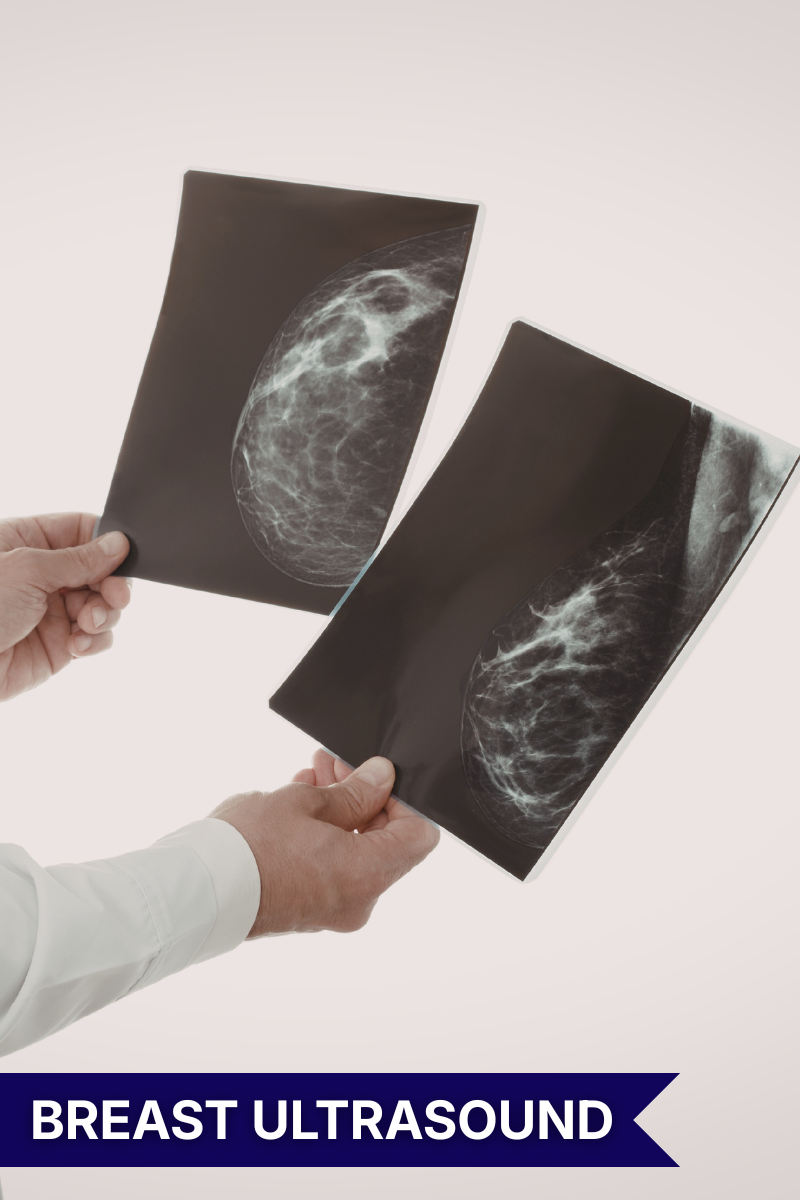
Ultrasound may be recommended when:
- Breast tissue is dense
- A specific area needs closer evaluation
- Follow-up imaging is required after a mammogram
Dense breast tissue is common — affecting nearly 40-50% of women — and can make interpretation more challenging using mammography alone. Ultrasound uses sound waves rather than radiation and helps radiologists evaluate tissue characteristics in greater detail.
The American College of Radiology notes that supplemental imaging can improve cancer detection in appropriately selected patients.
Key takeaway:Ultrasound does not replace mammography, but enhances diagnostic clarity when clinically appropriate.
Bone Density (DEXA) Scans: Detecting the Silent Disease
Osteoporosis is often called a “silent disease” because bone loss occurs without symptoms until a fracture happens.
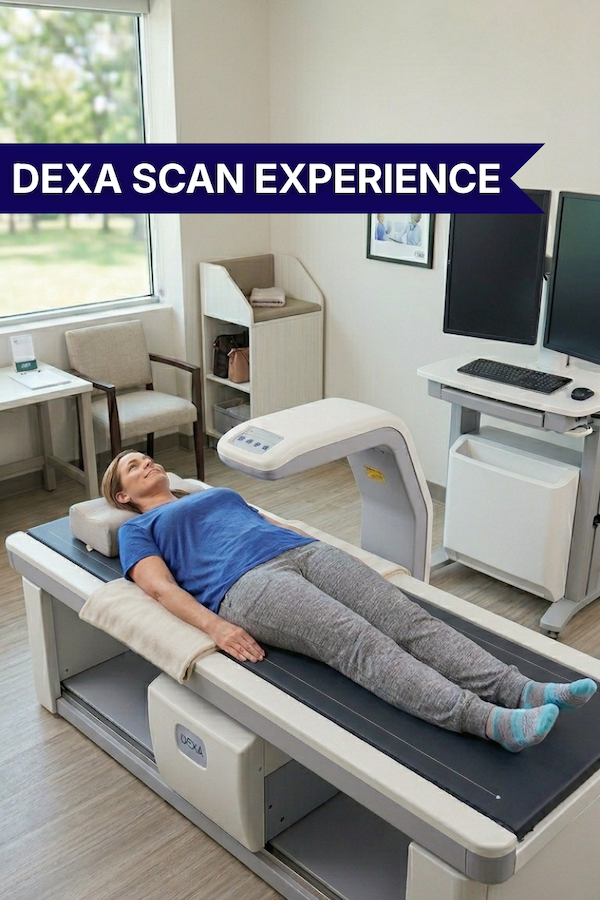
According to the National Osteoporosis Foundation:
- Approximately 10 million Americans have osteoporosis.
- Another 44 million have low bone density, placing them at increased risk.
- Women account for roughly 80% of osteoporosis cases.
After menopause, declining estrogen levels can accelerate bone loss, increasing fracture risk.
The U.S. Preventive Services Task Force recommends bone density screening for women aged 65 and older and earlier for those with increased risk factors.
Key takeaway: Bone density screening helps prevent injuries before they happen.
The Role of Preventive Imaging in Women’s Health
Preventive imaging is not only about diagnosing disease — it is about empowering informed healthcare decisions.
Screenings can:
- Establish baseline health measurements
- Monitor changes over time
- Reduce uncertainty for patients and providers
- Support proactive treatment planning
Early detection consistently leads to improved outcomes, reduced treatment complexity, and greater peace of mind.
When Should You Talk to Your Provider?
Every patient is different, but women should consider discussing imaging screenings if they:
- Are age 40 or older
- Have a family history of breast cancer or osteoporosis
- Are entering or past menopause
- Have personal risk factors identified by their provider
A healthcare provider can help determine which screenings — and how often — are appropriate.
Compassionate Imaging Close to Home
At Cheyenne Radiology Group, imaging is more than technology. Our team is committed to creating a supportive, patient-centered experience that prioritizes comfort, clarity, and timely answers.
Preventive care starts with information — and one conversation can make a meaningful difference.
Sources & References
- American Cancer Society.
- Breast Cancer Facts & Figures.
- Centers for Disease Control and Prevention (CDC) — Chronic Disease Overview.
- U.S. Preventive Services Task Force Screening Recommendations.
- National Osteoporosis Foundation Statistics.
- American College of Radiology Practice Parameters.